Fast garage door repair in StuartCall (772) 273-3608

Stuart, FL

Garage Door Installation for Stuart's Older Housing Stock

Installing garage doors on Stuart's 1970s-80s housing stock means matching old track and opener setups to today's hardware. Here's what that job actually involves.

A black garage door with windows and stacked blue panels in front of it.
Serving Stuart, FLBackground-checked techsHonest, upfront pricingFast local response
Local
Crews that work this area daily
Same-day
Response for most repair calls
Upfront
Pricing agreed before we start
Insured
Background-checked technicians

Warning signs

How It Shows Up

Most calls for a new installation in Stuart start the same way: the old door still closes, mostly, but it's loud, it sags on one side, or the opener grinds instead of pulling.

Original steel doors aging out

Most houses through this area went up between 1969 and 1988, with the median landing around 1983 - old enough that original steel doors and the openers that came with them are at the end of their service life, but new enough that the owner figures it should still have a few years left in it.

Symptoms beyond a stuck door

Across the twelve areas we cover, from North River Shores three miles out to Indiantown eighteen miles inland, that same 1980s-to-90s building wave shows up block after block. The symptom is rarely "the door won't open.

Bent tracks and undersized springs

It's usually a track that's bent from decades of adjustment, a single torsion spring rated for a door that's since been replaced with a heavier one, or an opener bolted to framing that was never built for today's unit weight. By the time someone calls for installation rather than repair, the hardware underneath has usually been patched more than once already.

Watch-outs

Where This Job Goes Sideways

The mistake we see most is treating this as a straight door swap when the header, track spacing, or spring system underneath doesn't match current hardware.

Jamb and header variation

Houses from the 1969-1988 wave were built to the standards of that decade - jamb width, header clearance, and track mounting all vary more than people expect once you're actually in the opening with a tape measure.

Panel and seal corrosion

A mild temperate climate here means salt air and humidity do more damage to unsealed steel panels and bottom seals than hard freezes ever would, so an installer who doesn't account for that will set a door that looks right on install day and starts showing rust streaks and a soft bottom panel within a couple of seasons.

Opener mounted to weak framing

We've also seen installs where the new opener got mounted straight onto old framing that was never rated for it - the door works until the first time someone leans on the wall bracket. The honest limitation here: if the opening itself is out of square or the header's been compromised by water intrusion, no door - new or old-style - is going to seat right until that framing gets fixed first. We'll tell you that before we quote the door, not after we've hung it.

Pricing

The Cost of This Job

We don't quote a number without seeing the opening, the existing track, and what's feeding the opener electrically, so there's no flat rate to print here.

Hidden jamb and spring costs

What drives the spread is almost always the hidden part: whether the jamb needs rebuilding, whether the spring system has to be upsized for a heavier door, and whether the old opener wiring is reusable or needs to be run fresh.

Owners weighing replacement options

At a median household income of $63,724, most owners here are weighing a full replacement against a repair, not picking whichever contractor shows up first. That's a reasonable instinct.

Replacements on untouched homes

With roughly 19,430 owner-occupied houses sitting among 33,518 households in the service area, a big share of the installs we quote are replacements on homes nobody has touched since they were built - which means the quote has to account for whatever's been deferred, not just the door itself. We'll walk the opening with you and show you what's driving the number before we write it down.

Local causes

Why This Fails Locally

This isn't a generic wear-and-tear story. It's specific to what's sitting in driveways and garages across this part of Florida right now. A door and opener installed when a house was built in the early 1980s is pushing four decades of salt-laden, humid air cycling through an unsealed garage. That combination - mild temperate conditions that never force a full winter shutdown, paired with housing stock that's old enough to have outlived its original hardware but young enough that owners assume it's fine - is exactly why installation calls cluster the way they do here rather than spiking after one bad storm.

The fix isn't just a new door. It's matching new hardware to an opening that was built to an older spec, in a climate that's been quietly working on the steel and the seals for thirty-plus years. Skip that step and the new door inherits the same problems the old one had, just with a fresh coat of paint.

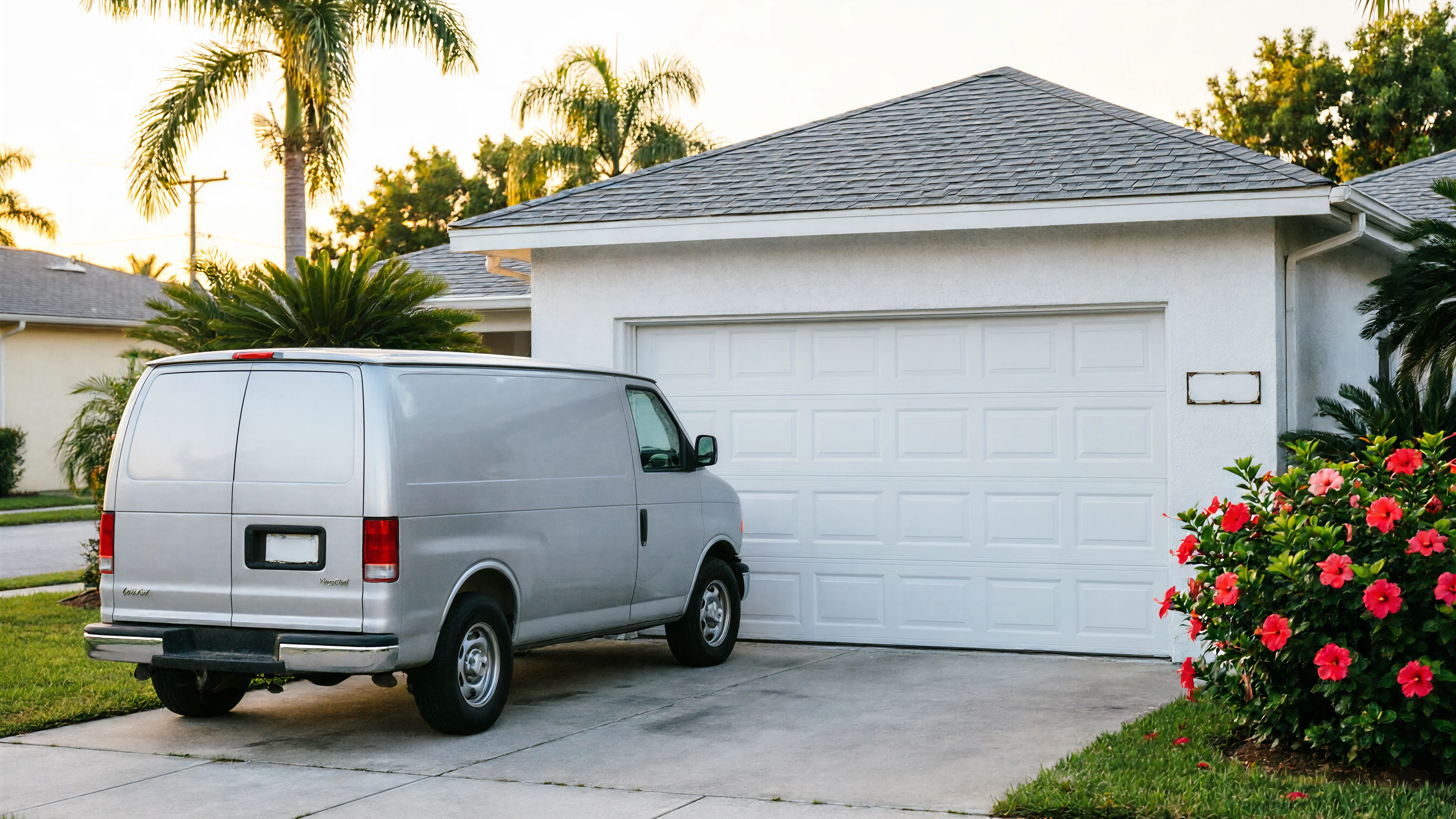
A silver van is parked in a driveway in front of a white garage door.

Questions

Common questions

Will a new garage door fit my old opening without changing the frame?

Often yes, but not always. Houses built in the 1970s and 80s around Stuart vary in jamb width and header clearance, so we measure the opening before quoting. If the framing's out of square or water-damaged, that gets addressed before the door goes in - otherwise the new door inherits the old problem.

Why does my opener need replacing if the door is new?

If your opener was installed alongside an original 1980s-era door, it's rated for that door's weight, not a modern insulated panel door, which is usually heavier. Running an undersized opener on a heavier door strains the motor and the mounting bracket.

Does the salt air around here actually affect a new door?

Yes. Mild temperate humidity and salt exposure are harder on unsealed steel and rubber seals than freeze cycles. We factor that into what finish and seal type we recommend rather than just matching whatever was there before.

Explore more

Explore More Services In Stuart, FL

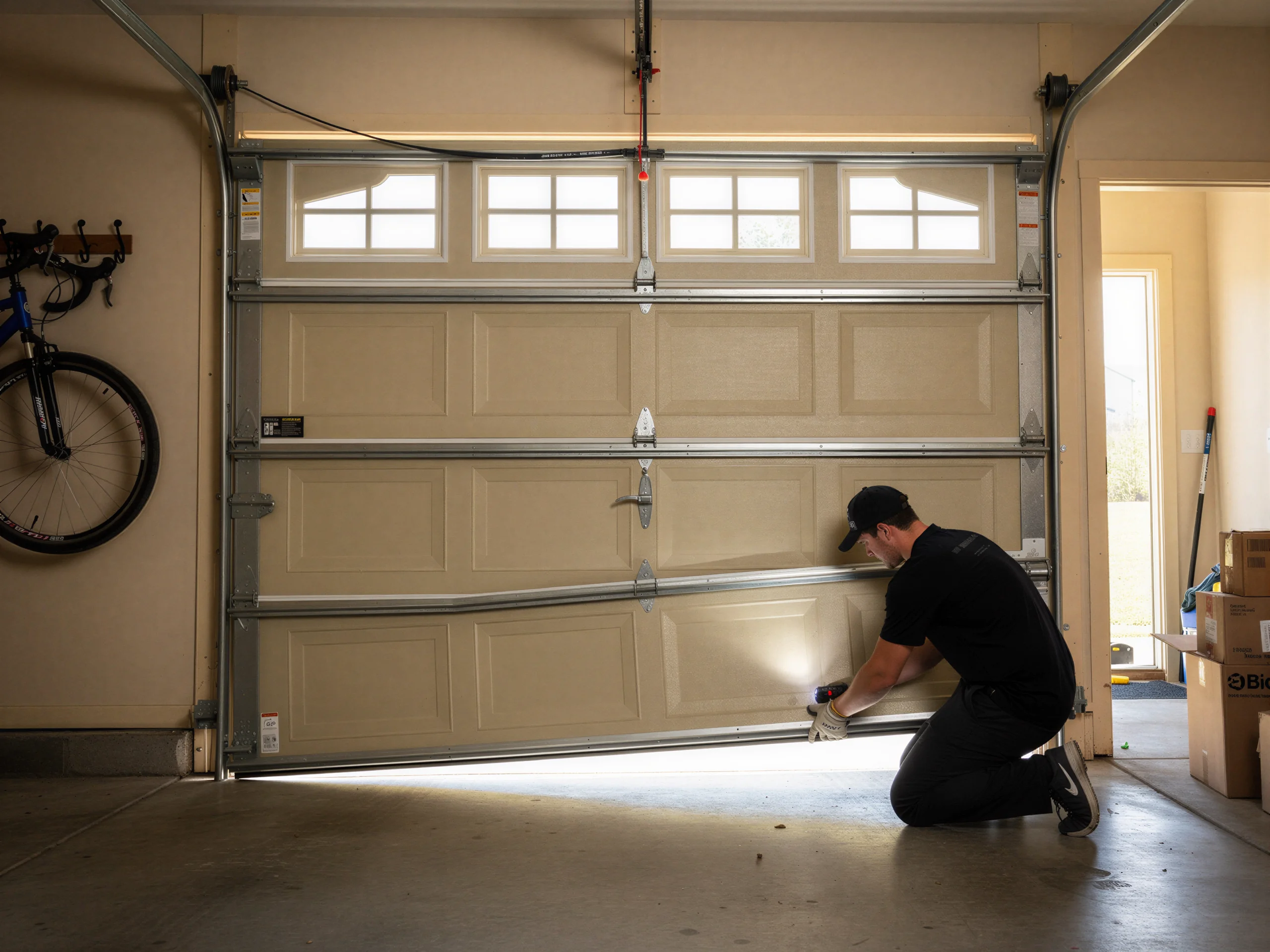
A technician kneels, inspecting a damaged beige garage door with a flashlight.

Garage Door Repair for Stuart's 1970s-80s Housing Stock

Stuart homes built from 1969-1988 carry original torsion hardware and aging openers. Learn more →
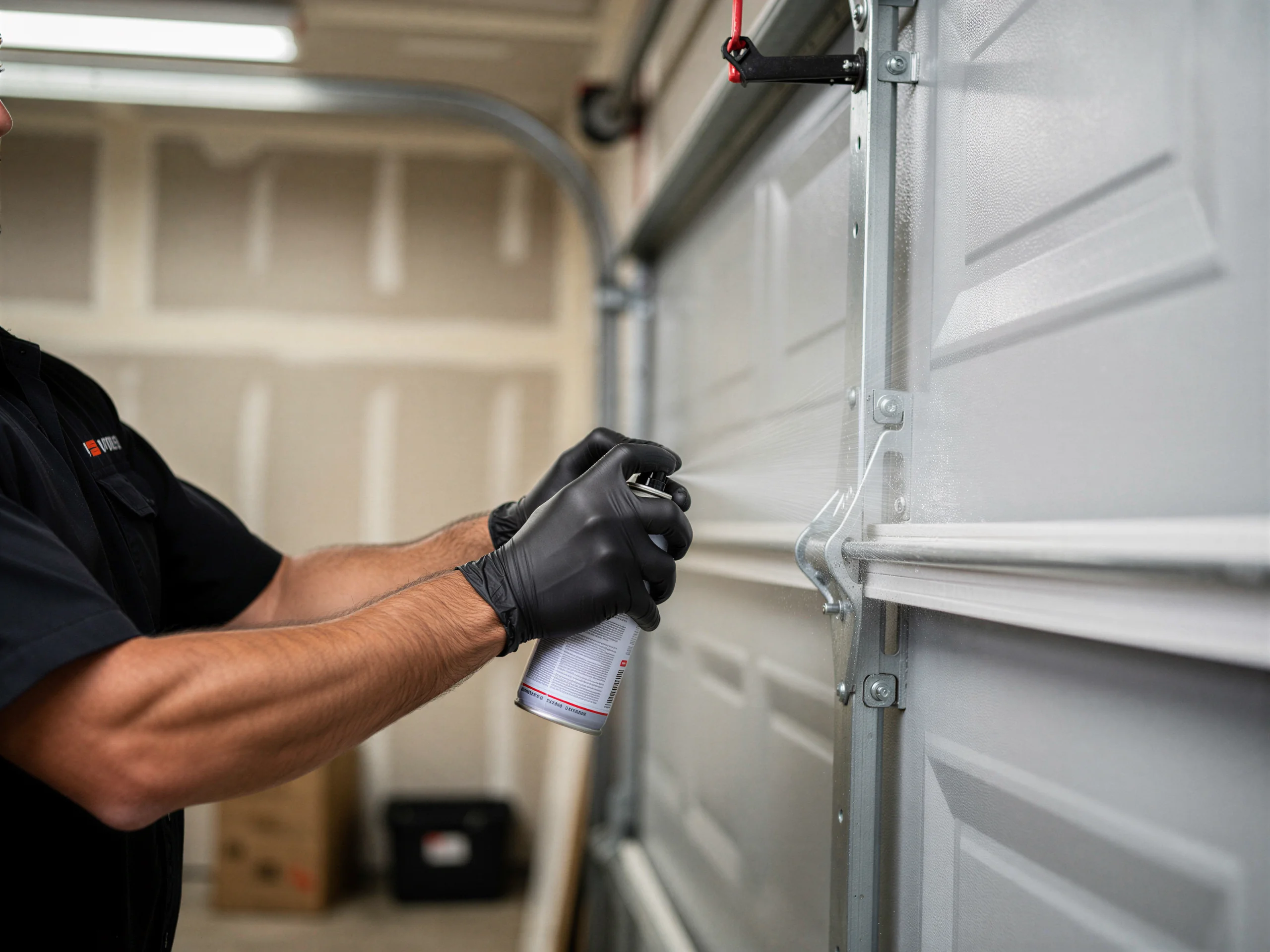
A technician in black gloves sprays lubricant on a white garage door hinge.

Garage Door Service for Stuart's 1980s-Era Homes

Most Stuart homes date to the 1969-1988 build window. Learn more →
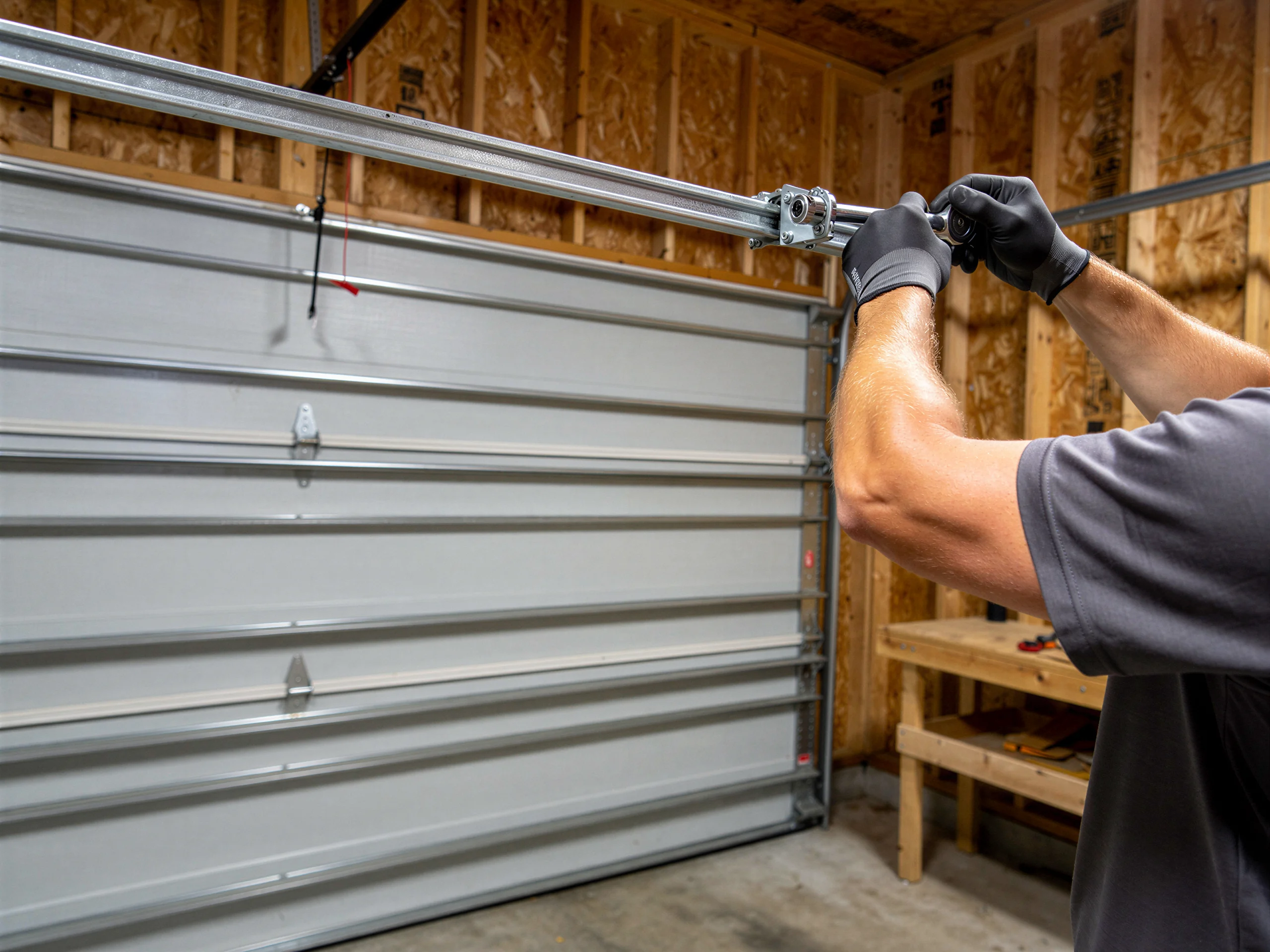
A technician in gloves works on a garage door opener rail above a gray garage door.

Garage Door Opener Installation for Stuart Homes

Opener installs for Stuart's 1970s-80s housing stock. Learn more →
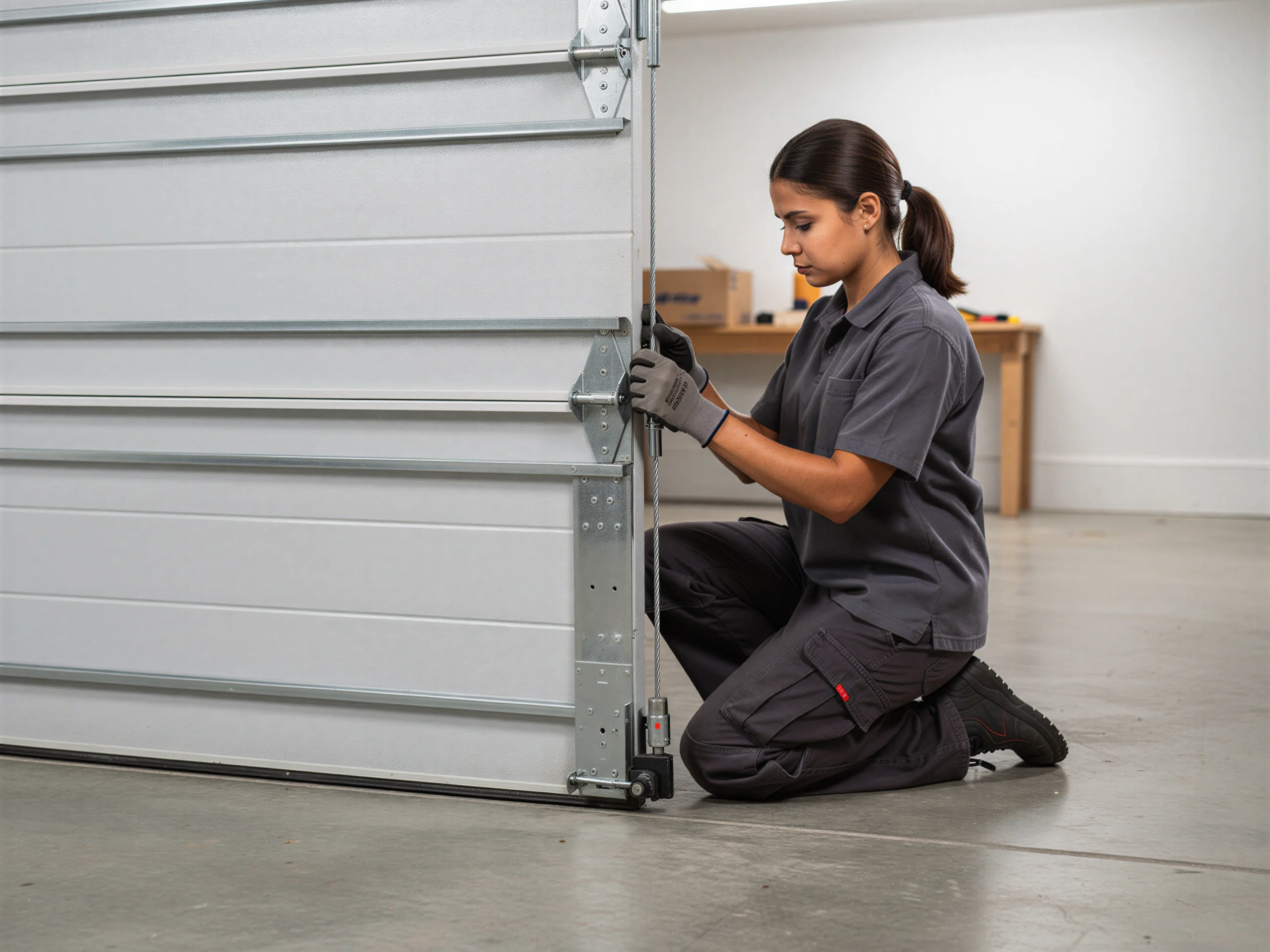
A technician kneels while working on the bottom of a white garage door.

Garage Door Cable Repair for Stuart Homes

Frayed or snapped garage door cables are common in Stuart's 1980s housing stock. Learn more →
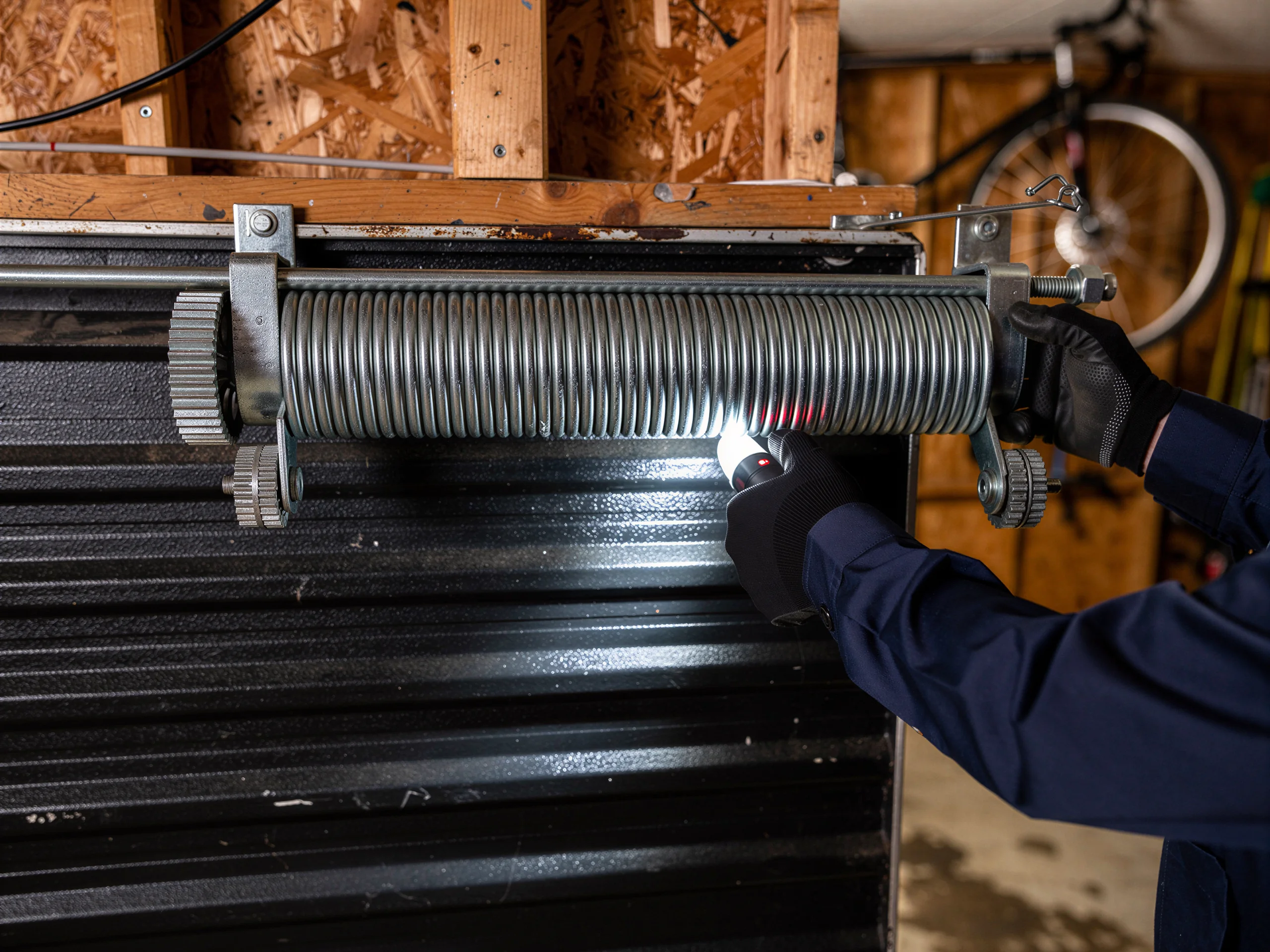
A technician's gloved hands adjust a garage door torsion spring with a flashlight.

Garage Door Spring Repair Across the Stuart Area

Broken torsion spring on a house built in the 1970s or 80s? Learn more →
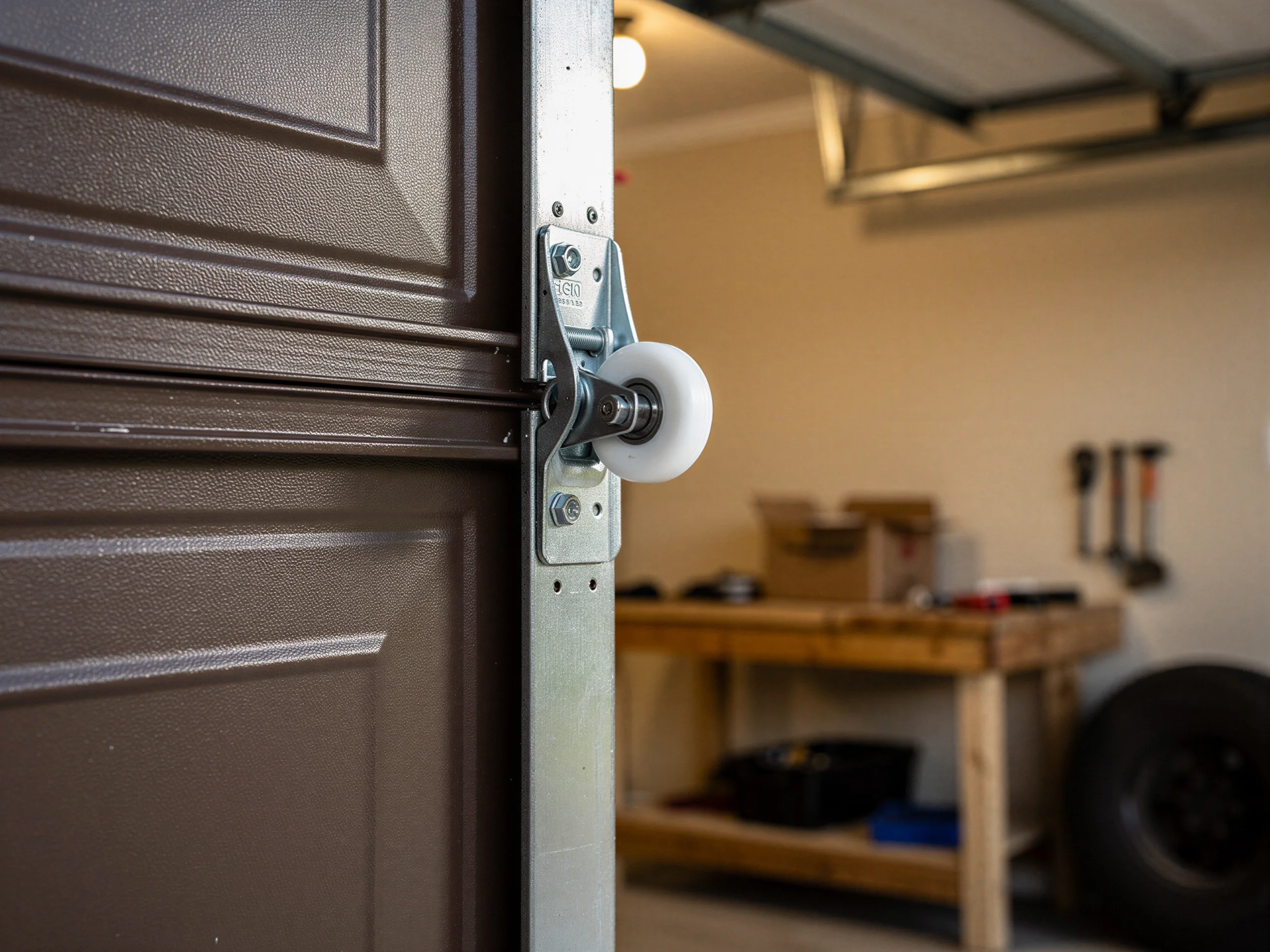
A white roller is attached to a brown garage door.

Garage Door Roller Replacement for Stuart-Area Homes

Rollers wear out fast on Stuart's older garage doors from the 1970s-80s. Learn more →

Ready when you are

Need a garage door sorted in Stuart?

Stuart Garage Door Pros repairs and installs garage doors, springs and openers in Stuart, FL and the surrounding area.

Call NowGet a quote