
Wrong gauge cable substitutes
It also goes sideways when someone's already been in there with the wrong gauge cable, usually a hardware-store substitute that's a hair too thick or too thin for a 1980s-era drum built to a specific wire diameter.
Indiantown, Stuart
Most Indiantown garage doors date to the mid-1980s, with steel cables and drums original to the house. We drive out from Stuart to fix the fray before it snaps.
Local causes
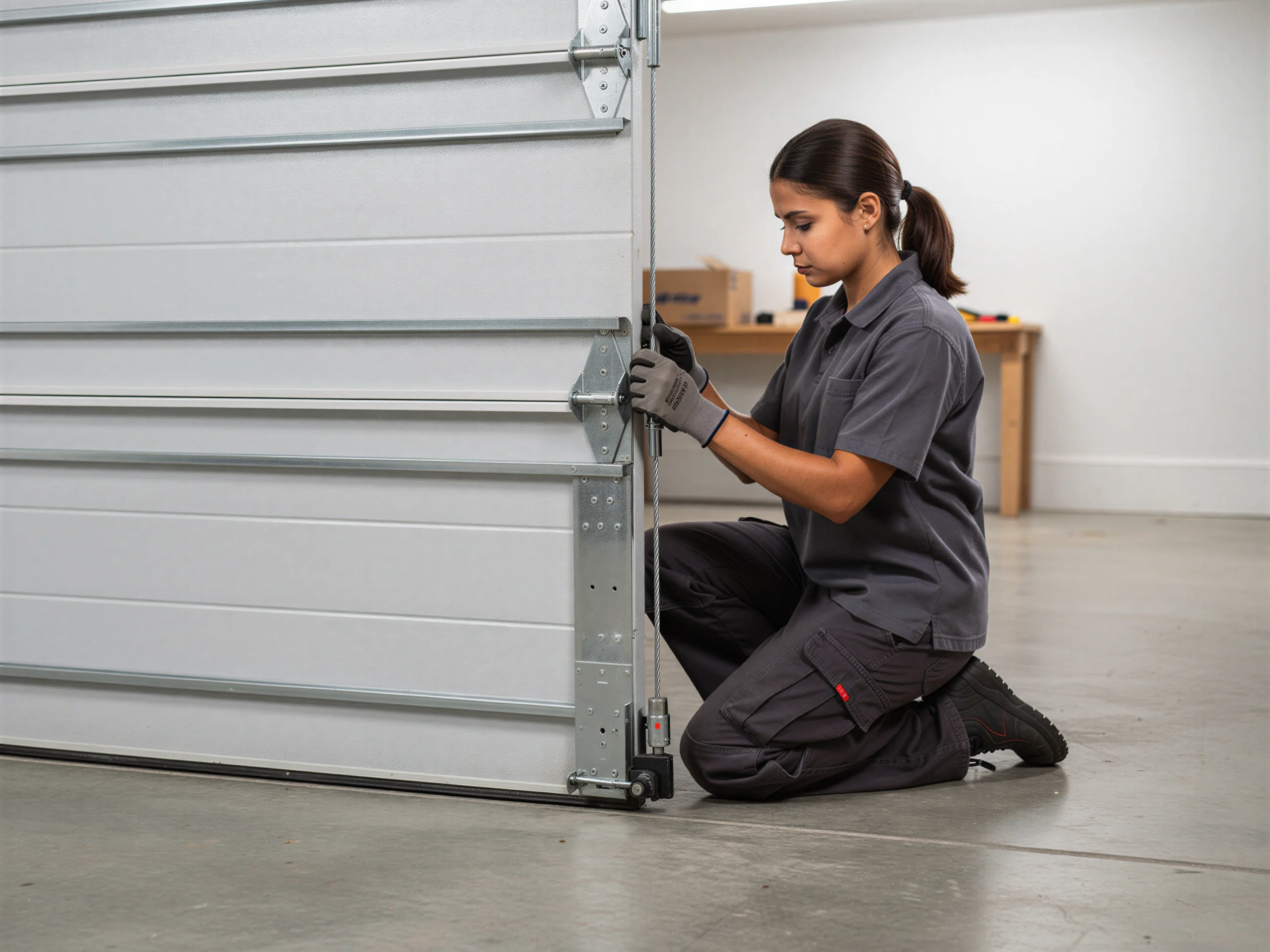
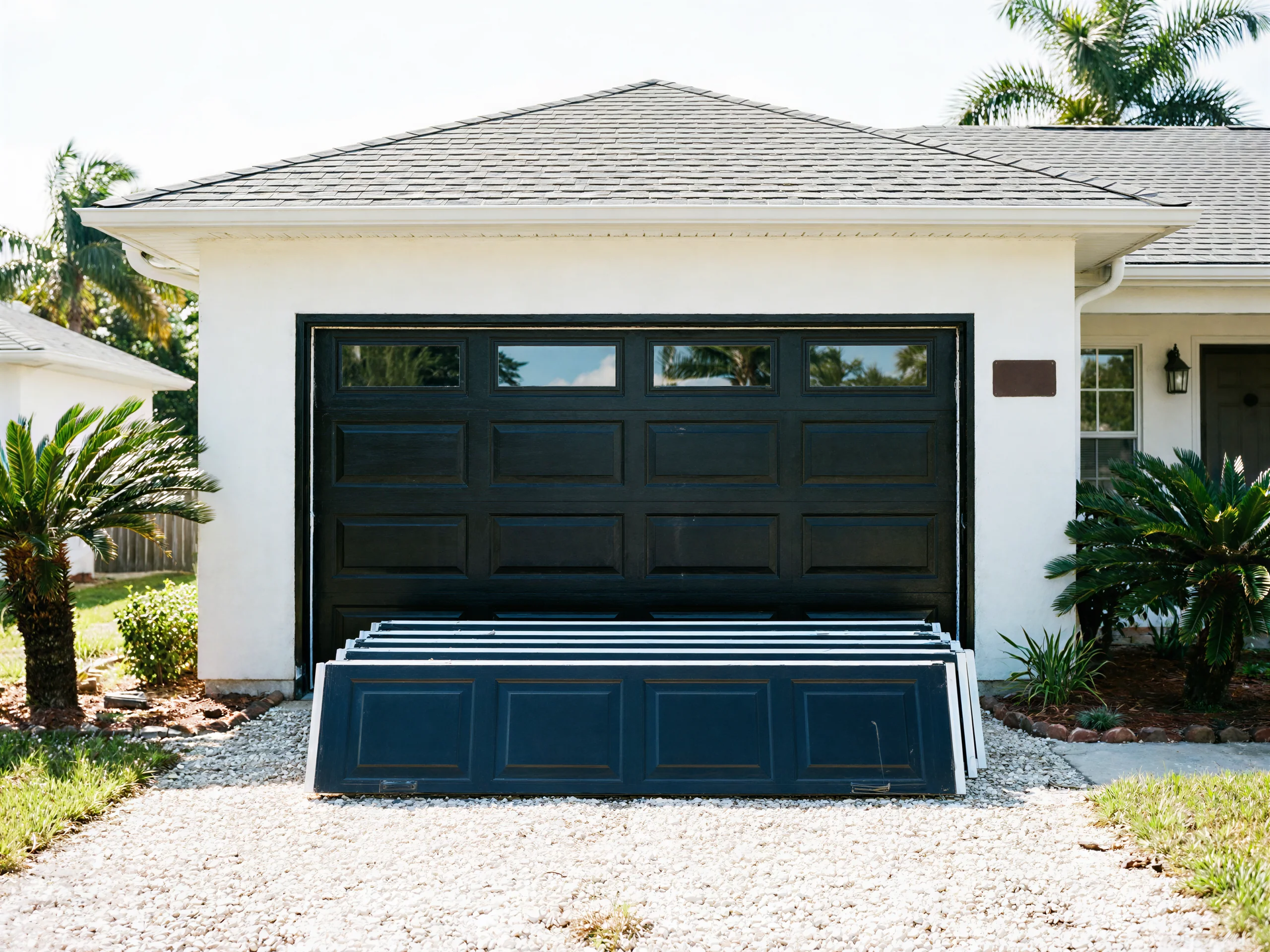
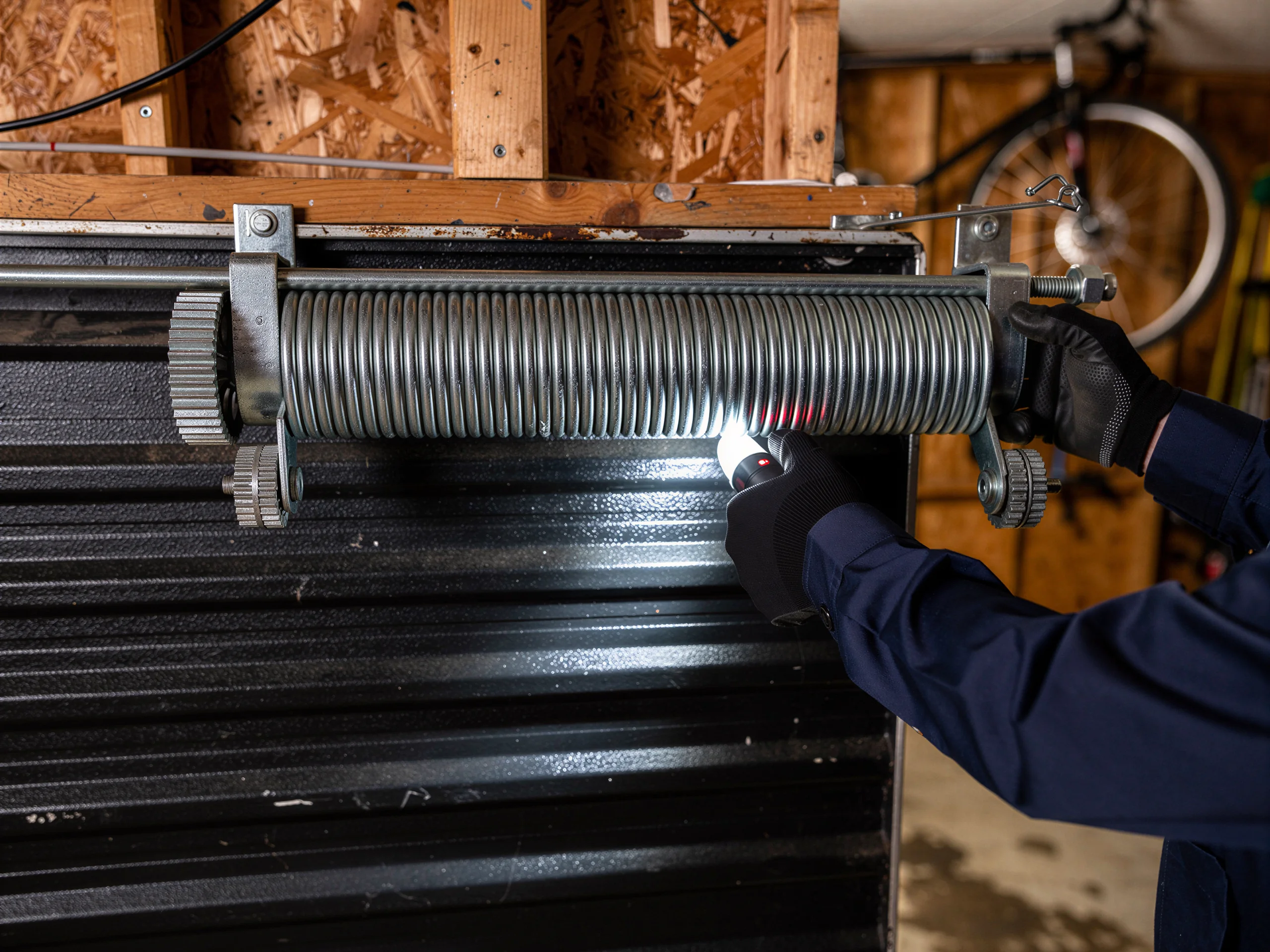
Walk into most garages in Indiantown and you're looking at a door built around 1985, give or take a few years either side. That's the median build year here, and it tracks with the wider 1969-1988 window across this service area. These are single-layer steel panel doors, usually a 16x7 double or a 9x7 single, hung on a torsion spring with galvanized lifting cable wound onto a steel drum at each end of the shaft. Nothing fancy, nothing insulated, built to last a long time if nobody touches the hardware.
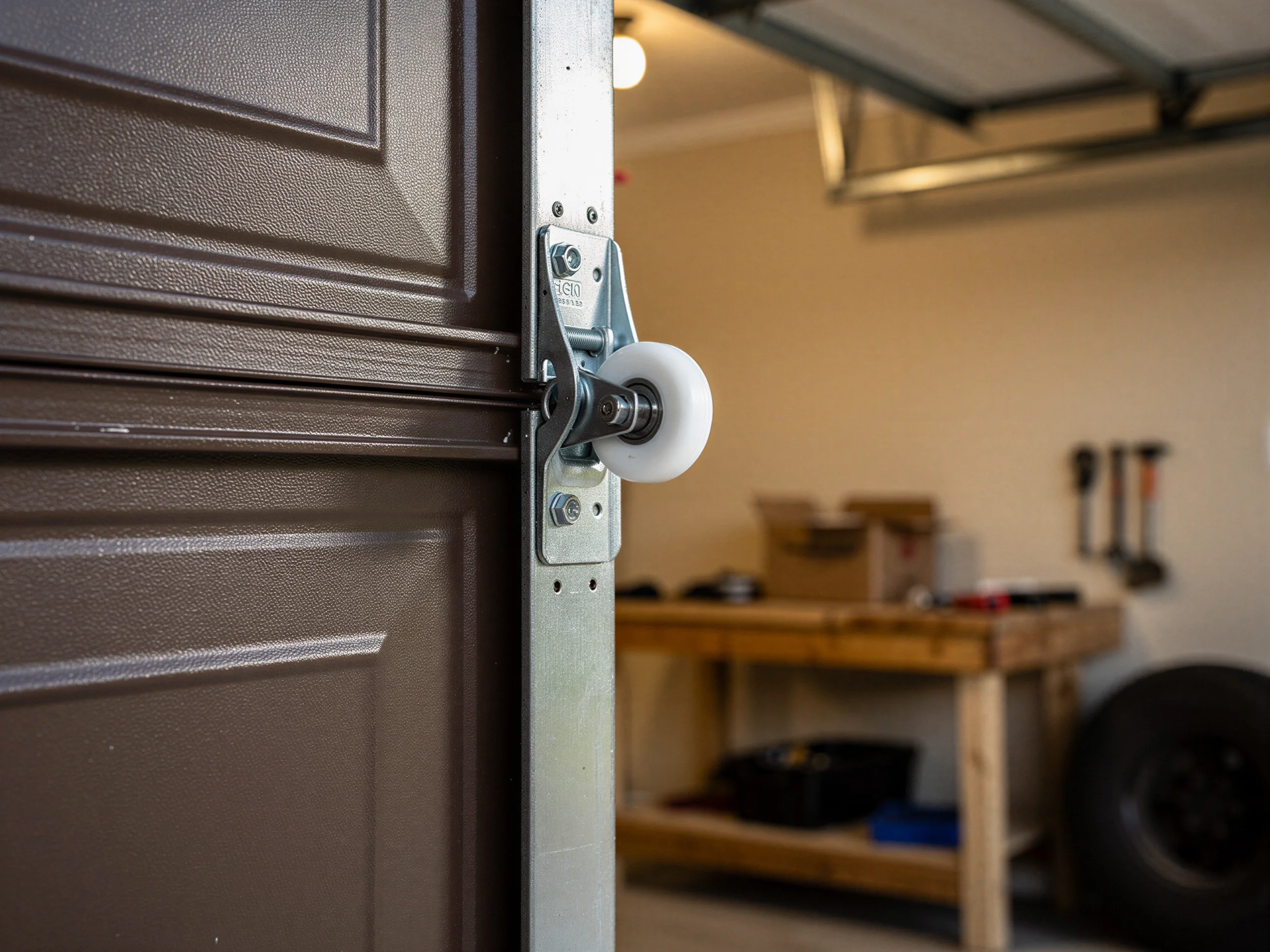
The mild temperate climate out here is kind to that cable. You don't get the hard freeze-thaw cycling that snaps strand wire in colder regions, and the galvanized coating holds up fine against routine humidity. What gets these doors isn't weather, it's age. A cable wound and unwound tens of thousands of times since the Reagan administration wears thin at the drum groove, right where it bends sharpest. That's the failure point we see on almost every original-hardware call out here, not a frayed middle section, but a cracked or birdcaged section tucked inside the drum where you can't see it from the floor.
Watch-outs
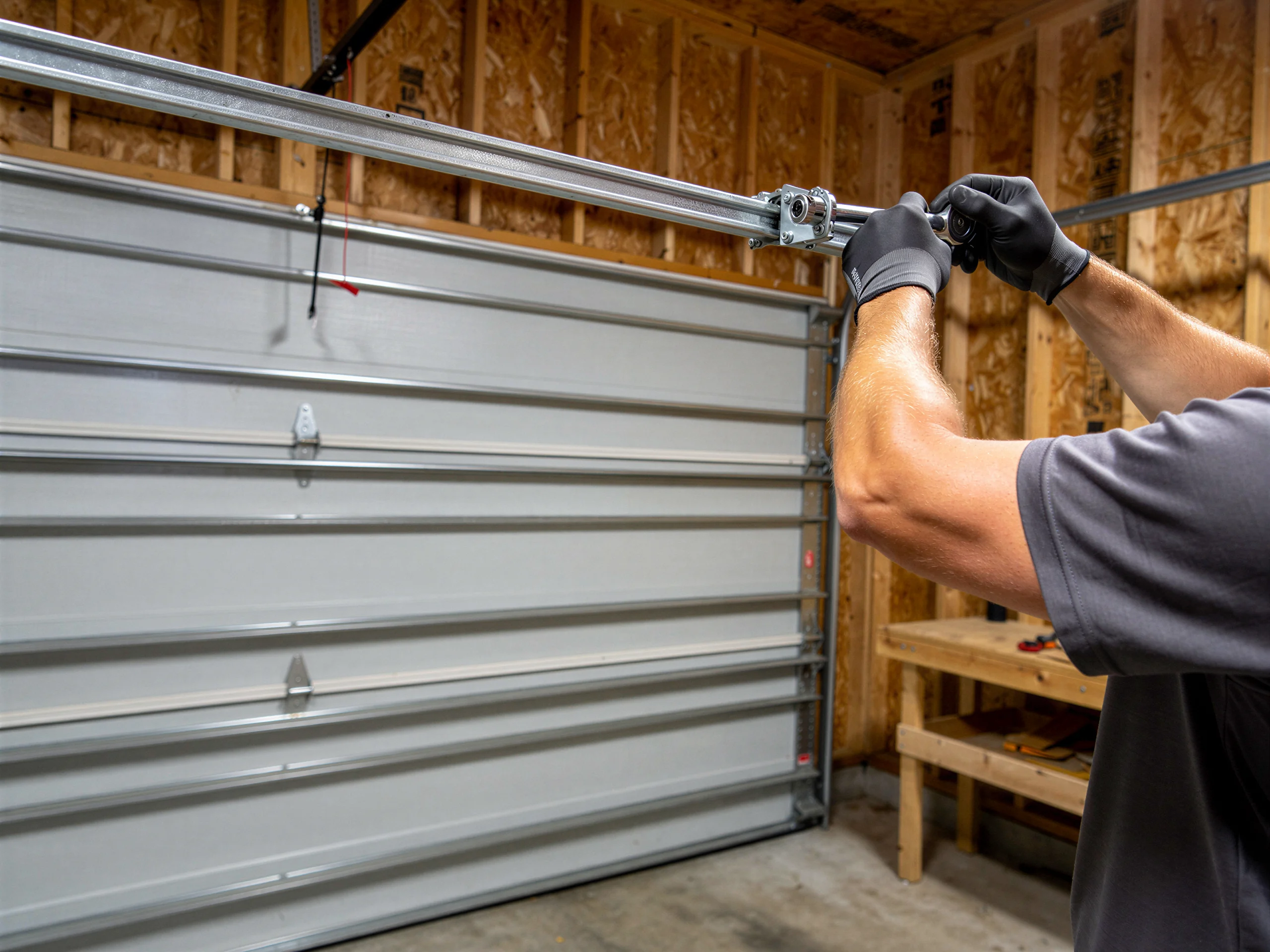
The straightforward version of this job is swap the cable, check the drum, balance the spring, done. It goes sideways when the drum itself is grooved or chipped from decades of the same cable riding the same path, because a new cable on a damaged drum will fray again inside a year.
It also goes sideways when someone's already been in there with the wrong gauge cable, usually a hardware-store substitute that's a hair too thick or too thin for a 1980s-era drum built to a specific wire diameter.
Mismatched cable rides unevenly, binds the track, and can throw the door off balance on one side, which looks like a track problem but isn't. The other thing we run into on original hardware this old is a torsion spring that's never been replaced, carrying decades of fatigue nobody's accounted for.
Pull a failed cable off that setup without checking the spring and you can end up back at the same house in a month for a different reason. We check both every time, because on a door this age, one worn part is rarely traveling alone.
Booking

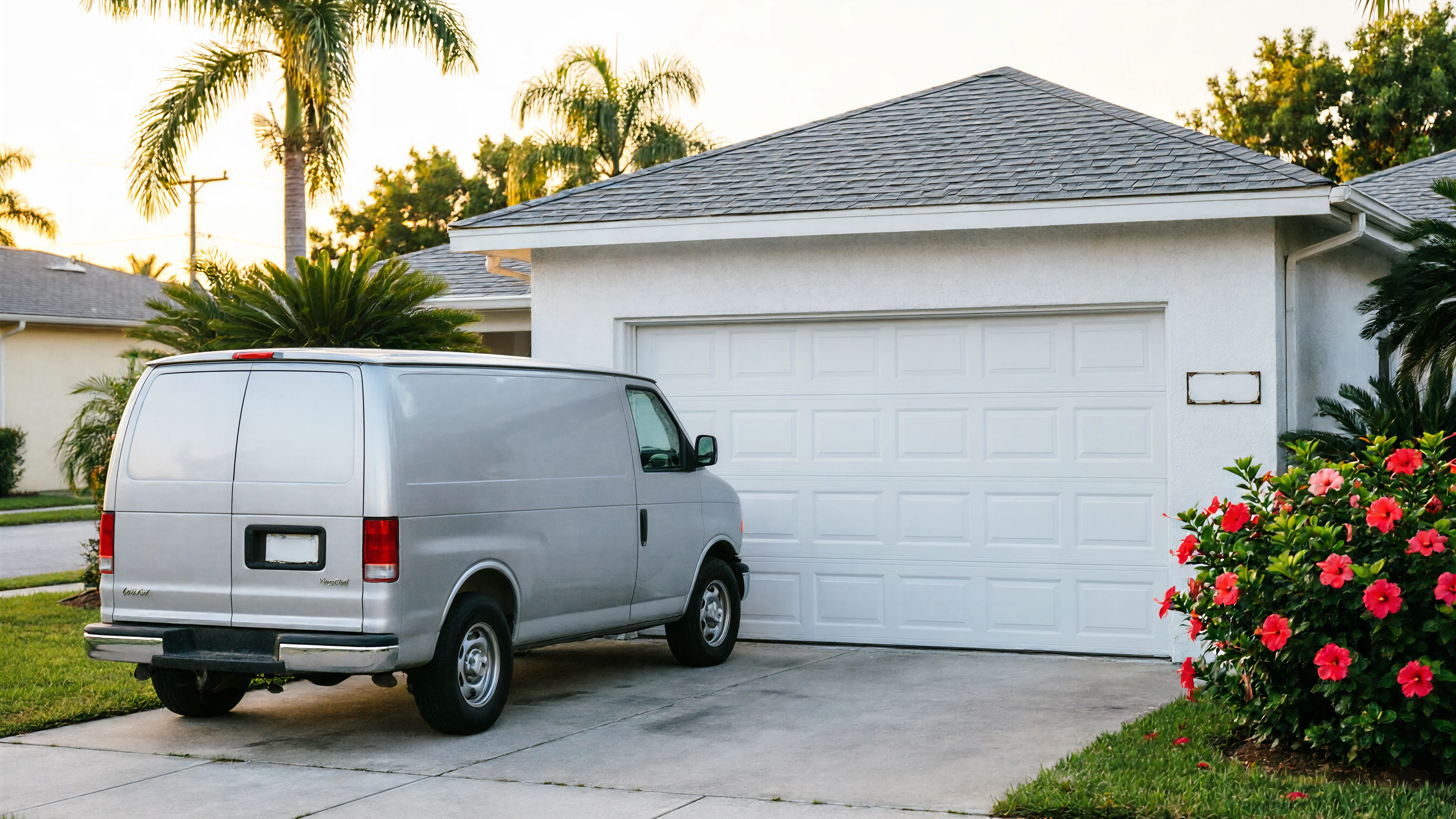
We're based in Stuart, about 18 miles out, and that drive is part of the job, not an afterthought, so we schedule Indiantown calls as full visits rather than squeezing them between closer jobs. There's no local depot here, no second truck staged nearby, just the one crew making the trip when a call comes in.
If you want to see what else we cover in town beyond cable work, that's laid out on our Indiantown garage door page. If the fix on your door turns out to be the same cable-and-drum job we do for customers back in Stuart, you can read the general process on the cable repair page for Stuart.
Pricing
We're not going to quote a number here without seeing the door, because a clean drum swap and a cable job complicated by a chipped drum or a bad spring are two different invoices.
What we can say is that household income in Indiantown runs lower than the broader service area, where the median sits at $63,724. That gap matters on an older door, because it changes the math between repairing the cable one more time and replacing a door that's already pushing forty years old.
On a door this age, our honest read is usually: if it's just the cable and the drum is clean, repair it, the rest of the door has plenty of life left.
If the drum's chewed up or the spring is original too, we'll tell you straight whether a new cable is money well spent or just a stopgap before the next failure. We'd rather say that upfront than have you pay twice.
Warning signs

On a door built in the mid-1980s, a failing cable rarely announces itself all at once. Usually it starts as the door hanging slightly crooked when it's about halfway up or down, one side lifting a beat ahead of the other because the cable's lost a few strands and is riding loose in the drum groove.
Sometimes it's a sharp snapping or popping sound mid-cycle, that's a strand giving way under tension, not the whole cable yet, but close. If you hear it, stop using the opener and pull the release cord before the remaining strands go and the door drops.
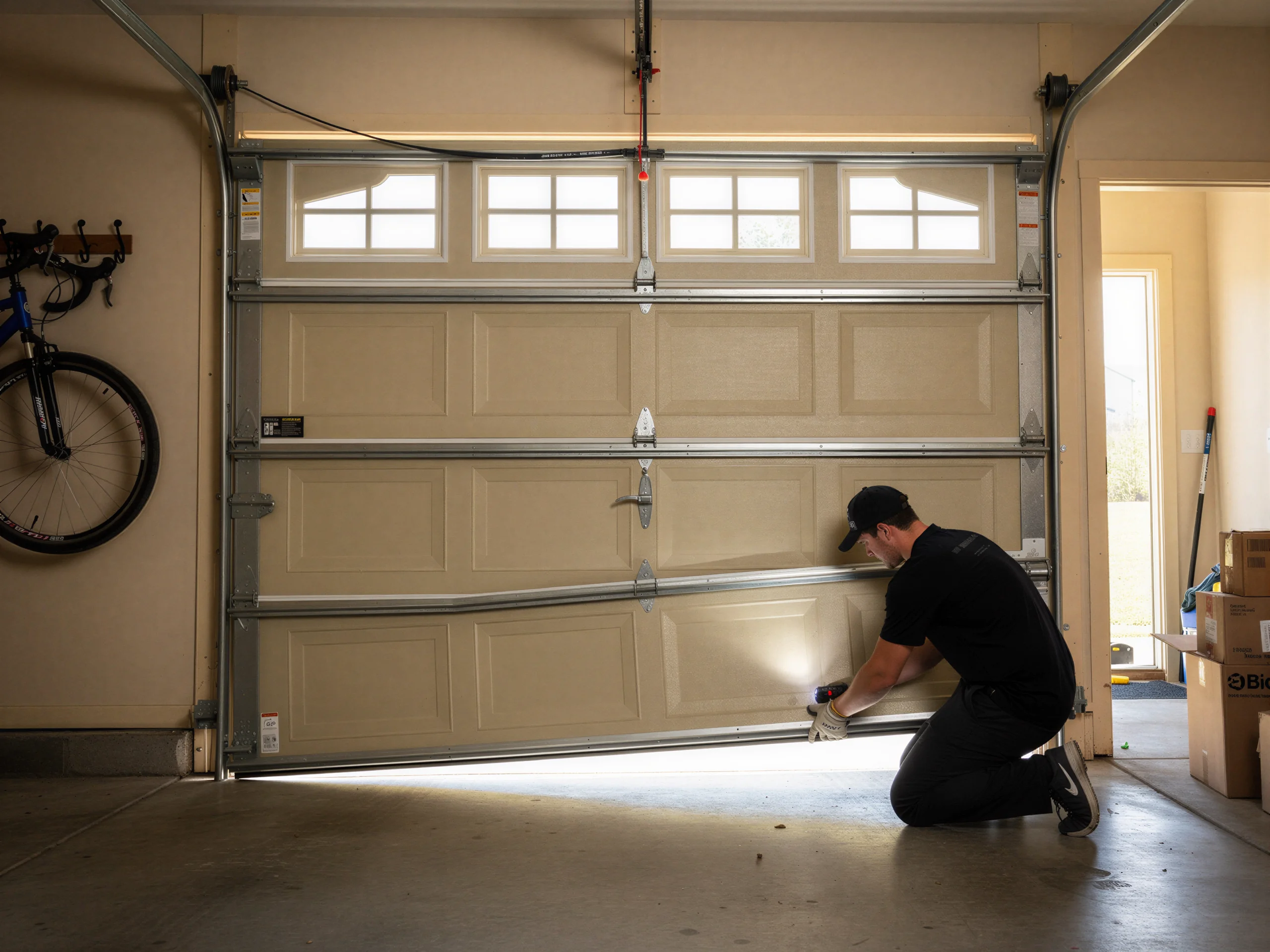
The full failure looks like the door stuck at an angle, refusing to close square, or coming down crooked and jamming in the track. On original 1980s hardware, that's almost always the cable finally parting at the drum, the spot we check first on every call out here, because it's where decades of wear concentrate on a door this old.
Questions
On a door built in the 1980s, the cable bends sharpest right at the drum every time it winds, and decades of that repeated flex wear thin the strands there first. If a replacement cable frays in the same place again, the drum groove itself is usually damaged and needs replacing along with the cable.
Depends on the drum and spring. If those are clean and the cable's the only failure, repair is the cheaper and sensible call. If the drum's chipped or the spring is also original from the 1980s, you're often better putting that money toward a new door instead of patching one worn part at a time.
No, we run out of Stuart, about 18 miles away, and schedule Indiantown jobs as full visits. There's no second truck staged closer, so we book the trip into the job rather than promising a same-hour arrival we can't back up.
Explore more
Ready when you are
Stuart Garage Door Pros repairs and installs garage doors, springs and openers in Stuart, FL and the surrounding area.