Phone-first booking, no counter
We don't keep a branch or drop-off counter in Indiantown itself; every job here starts with a call to the Stuart line. Have the door's rough age and whether it's a single or double door ready when you call.
Indiantown, Stuart
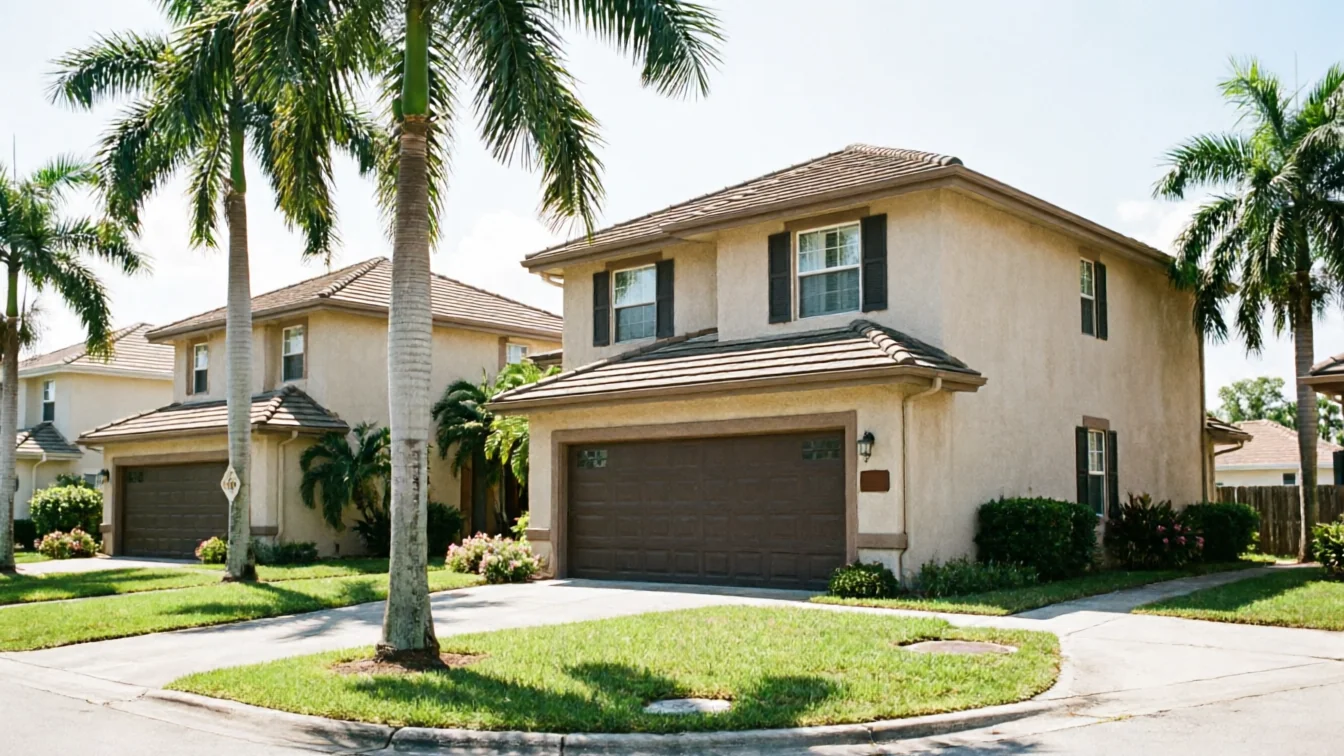
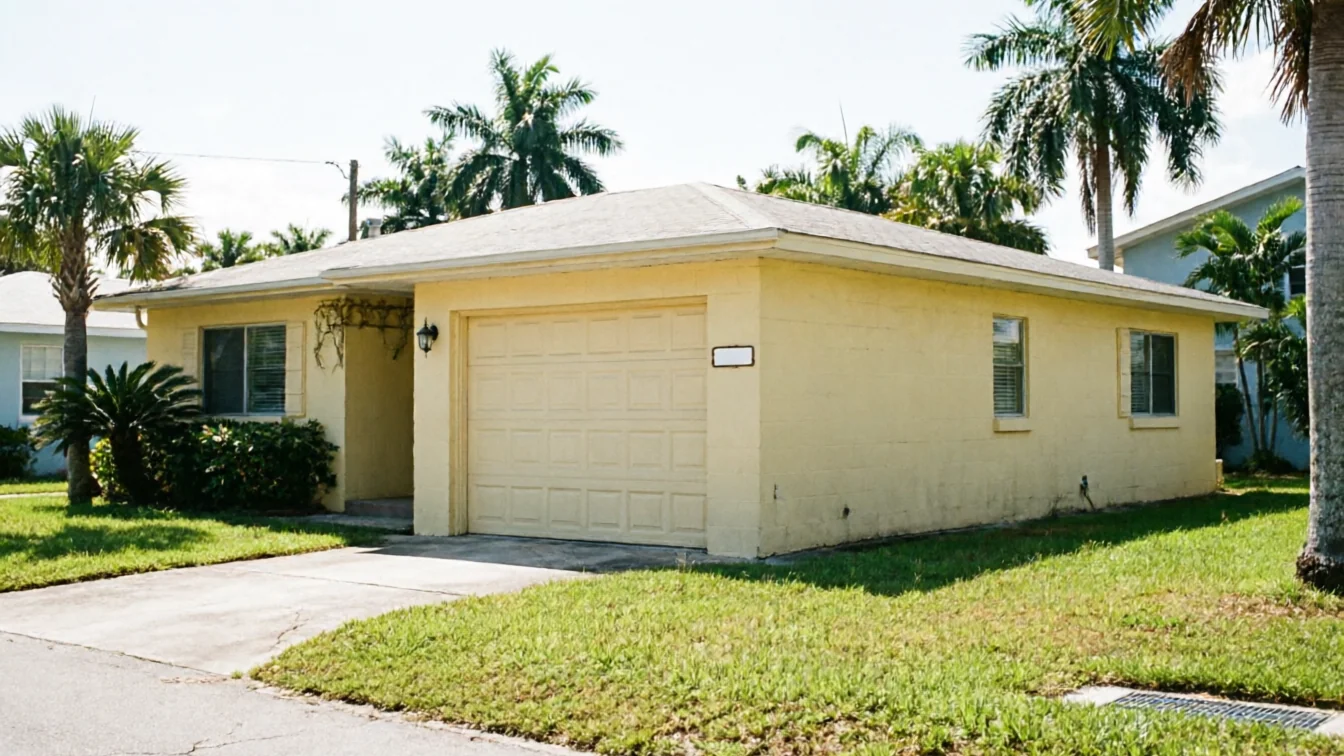
Indiantown homes mostly date to the mid-80s, a couple years newer than the rest of the service area. We drive 18 miles from Stuart for torsion spring and opener repair here.
Local causes
Stuart's housing stock runs 1969 to 1988 with a median around 1983. Indiantown sits a touch newer, with a median build year of 1985 - close enough to the rest of the service area that the hardware story is the same, but worth saying plainly because it is not identical. That two-year gap matters less than what it confirms: these are doors and openers from the same production era, which means the same torsion spring winds, the same steel panel gauges, and the same chain-drive openers that were standard through the late 80s.
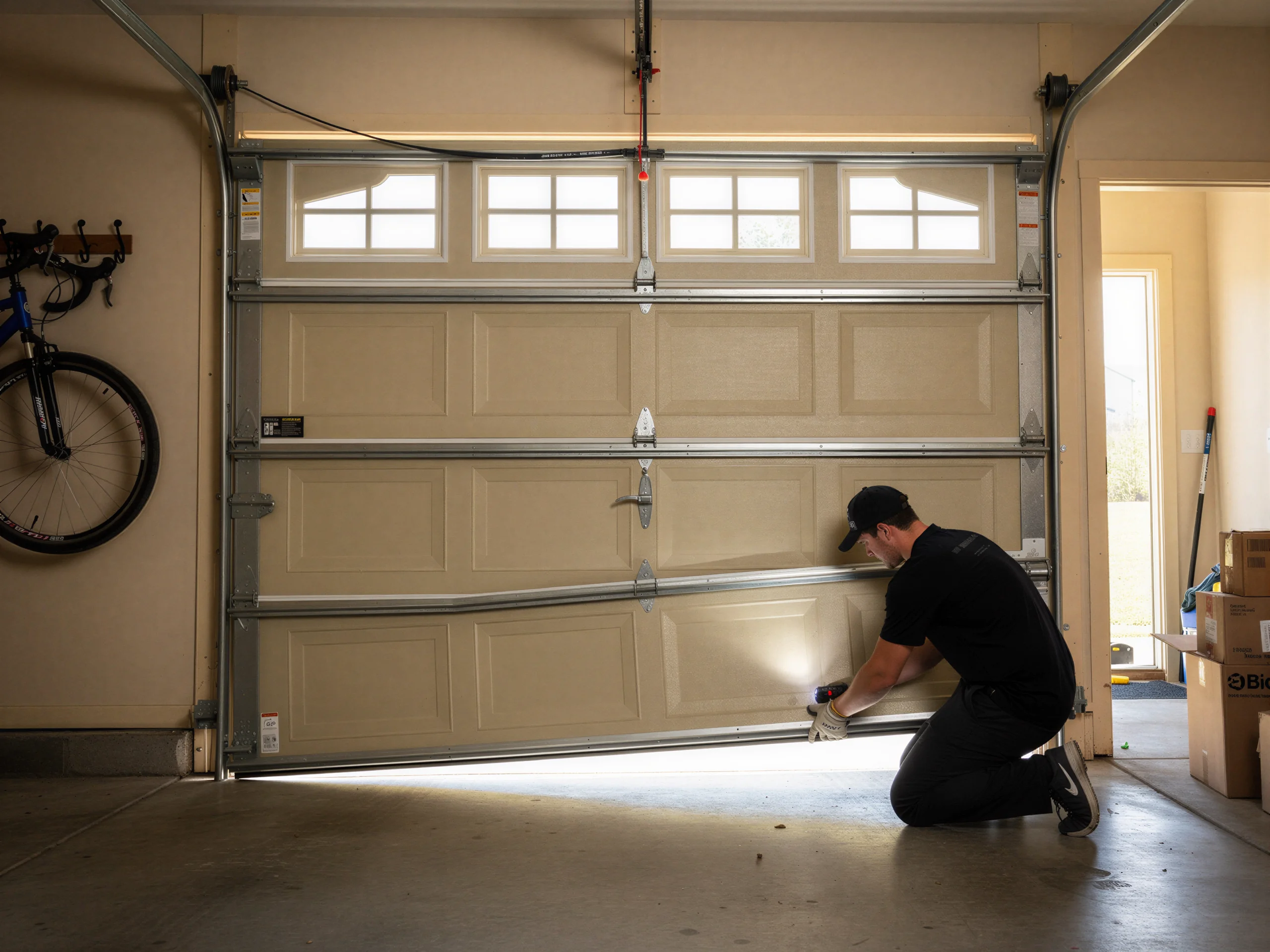
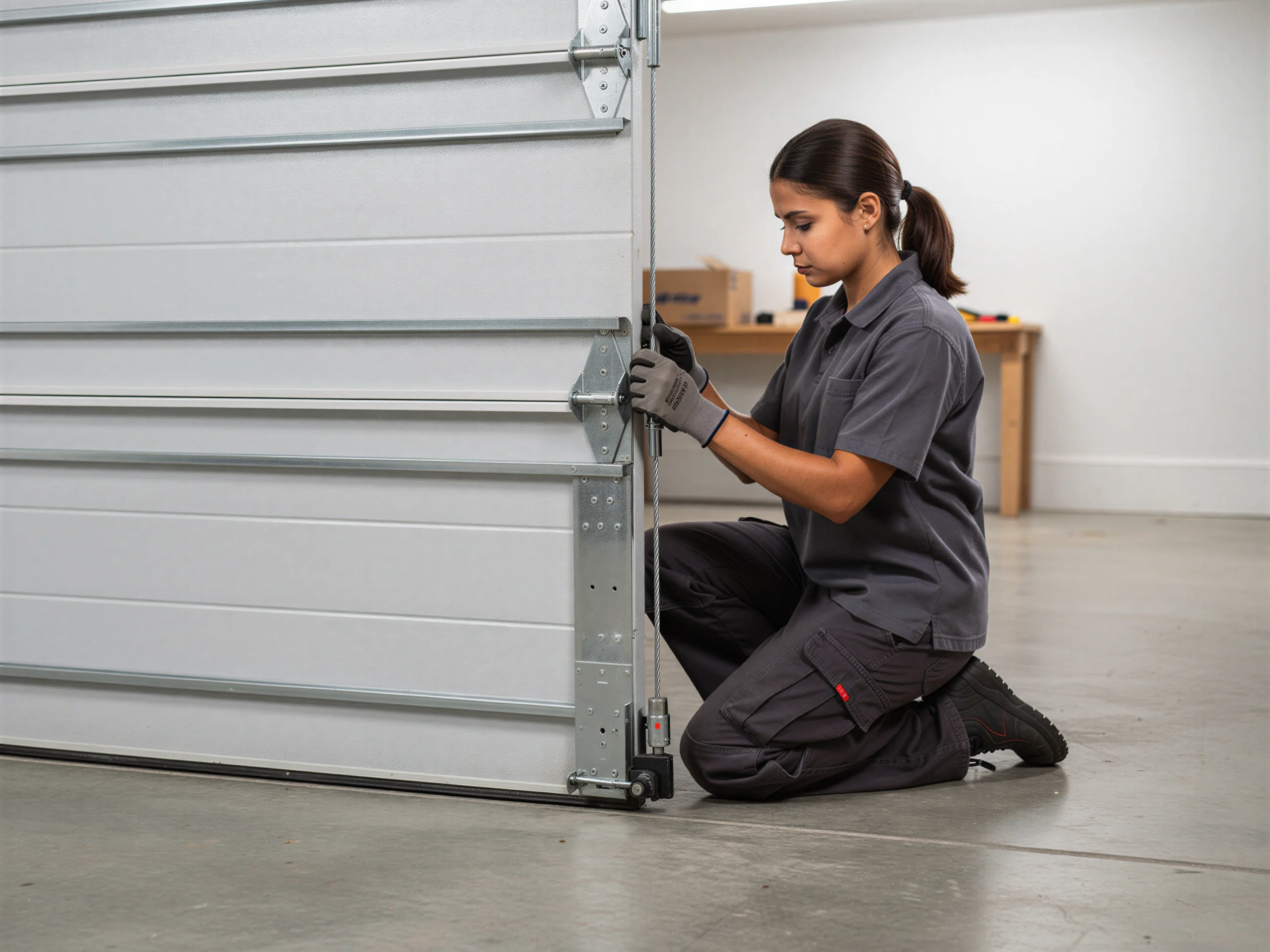
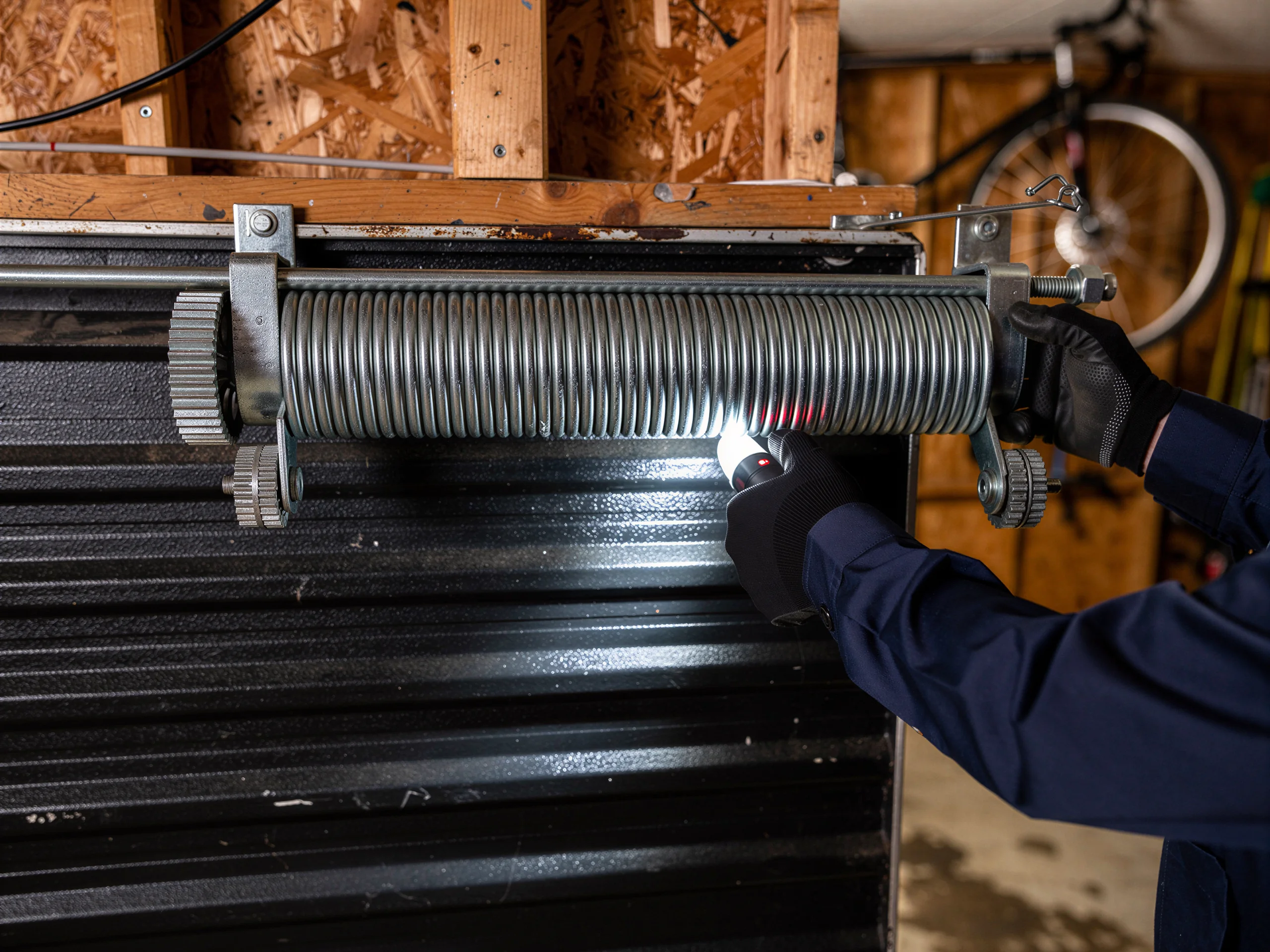
What actually fails here isn't exotic. A galvanized torsion spring wound in 1985 has had close to forty years of cycles. The springs don't announce themselves - they just let go, usually when the door is halfway up and the cable is taking the full load instead of sharing it. Openers from that build window are past any reasonable service life, and the plastic drive gears inside the chain units are a common point of failure. None of this is specific to Indiantown's soil or weather. It's specific to the year the house went up, and in this part of the service area, that year is the mid-80s.
Watch-outs
Indiantown has 1,742 households, a small fraction of the roughly 33,500 across the full service area, and the median household income here runs lower - about $52,372 against $63,724 for the broader area. That combination tends to mean doors get repaired in stages rather than replaced outright: a spring job this year, a roller swap next year, instead of one full-door replacement.
The climate here is mild temperate, so we're not dealing with the freeze-thaw cracking that ages hardware faster in colder regions. The failure mode is mechanical fatigue, not weather damage. Where it goes sideways is when a homeowner tries to save the service call by replacing just the broken spring cable and skips the second spring on a double door - the other one is usually close behind it, wound the same year under the same load.
Booking
We run out of Stuart, and Indiantown is about 18 miles out - call ahead so we can route the truck and bring the right spring size and opener parts for a house from this build era.
We don't keep a branch or drop-off counter in Indiantown itself; every job here starts with a call to the Stuart line. Have the door's rough age and whether it's a single or double door ready when you call.
If you know the opener brand, that helps too - chain-drive units from the 80s take different sprockets than the belt-drive models going in today. See garage door service in Indiantown for what we cover out this way, or the main Stuart repair page if you're closer to town.
Pricing
We don't have a published price list to quote here, and giving one without seeing the door would be a guess, not a fact. What we can say: a torsion spring replacement on a double door from this era is a standard call, not a specialty one - we carry stock sizes that fit most doors built in the 1983-1988 window, Indiantown's homes included.
Where cost climbs is when the opener's circuit board has failed alongside the springs, which happens more on units that have never been serviced. At that point you're weighing opener replacement against a repair, and with a unit this old, replacement usually wins on parts availability alone - we won't talk you into repairing a board for an opener model nobody stocks parts for anymore.
Warning signs
On a 1985-built house, the first sign is usually a loud bang from the garage followed by a door that won't lift past waist height - that's a torsion spring giving out. Second most common: the door reverses on its own partway down, which on openers from this period is almost always a misaligned or dirty safety sensor rather than the spring.
Less common but not rare: cables fraying at the bottom bracket on doors that haven't had a roller or hinge service in years. With 1,742 households in the area and most of the housing stock sharing that mid-80s build year, we see the same two or three failure patterns repeat - it's a narrow range of ages, so the hardware problems cluster tightly instead of spreading across decades like they would in a mixed-era neighborhood.
Questions
No. We're based in Stuart and drive out to Indiantown, about 18 miles away. There's no local branch or drop-off counter here - every job starts with a call to the Stuart line so we can route the truck and bring the right parts.
Most homes here were built around 1985, so the torsion springs, cables, and openers installed at construction are all hitting the end of their service life around the same calendar window. It's less about weather and more about mechanical fatigue after decades of cycles.
It helps. The service area sits in a mild temperate band, so we don't see the freeze-thaw cracking that speeds up hardware failure in colder climates. Failures here are driven by age and cycle count, not weather damage to the springs or tracks.
Explore more
Ready when you are
Stuart Garage Door Pros repairs and installs garage doors, springs and openers in Stuart, FL and the surrounding area.